





Our website has a very useful section for customers – frequently asked questions. There you will find almost everything about how we work. The way we fulfil orders for the construction of wooden houses and organise work with clients. But there are still a lot of questions that interest everyone who is thinking about a log cabin and building a wooden house. Today we are going to answer most of them.

Question: why should you choose a wooden house to build your home?
Answer: because it is the most environmentally friendly and warm house made of natural wood, inside which the most favorable microclimate for health is formed, as close as possible to the natural one. In addition, a log cabin can be quickly and inexpensively built.
The turnaround time for a wooden building from the start of construction to when the owners can move in and live in the house usually takes two to six months. To compare a wooden house with structures made of other materials, we note that it may take you over two years to complete a brick house. Features of the technology of production and construction of a wooden house, as well as the absence of the need for wall cladding, determine its rapid completion on a turnkey basis.
Another strong argument in favour of a wooden cottage is its reliability and durability. Wood fibres have a natural elasticity, which makes wood structures more resistant to damage than glass or concrete buildings.
Question: why does a wooden house always look like a hut?
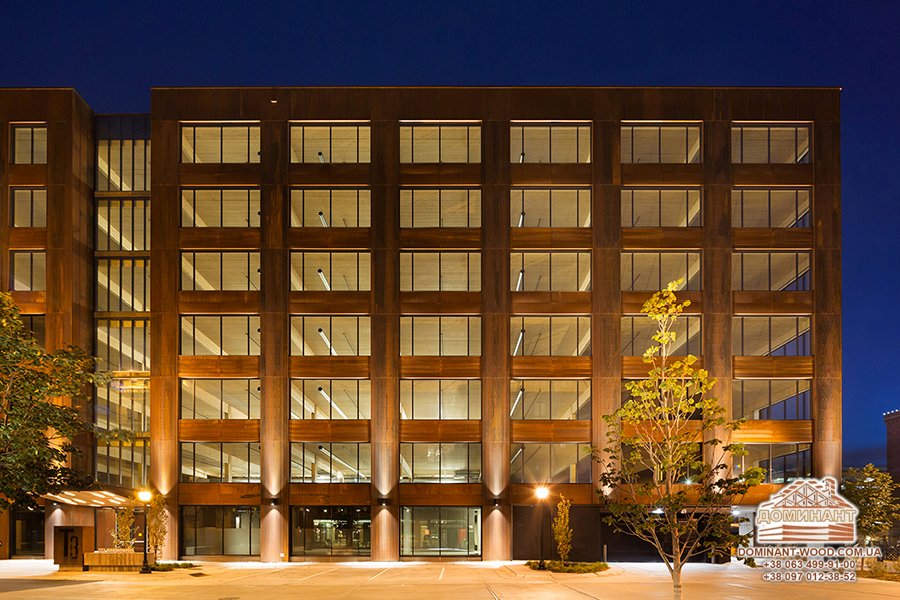
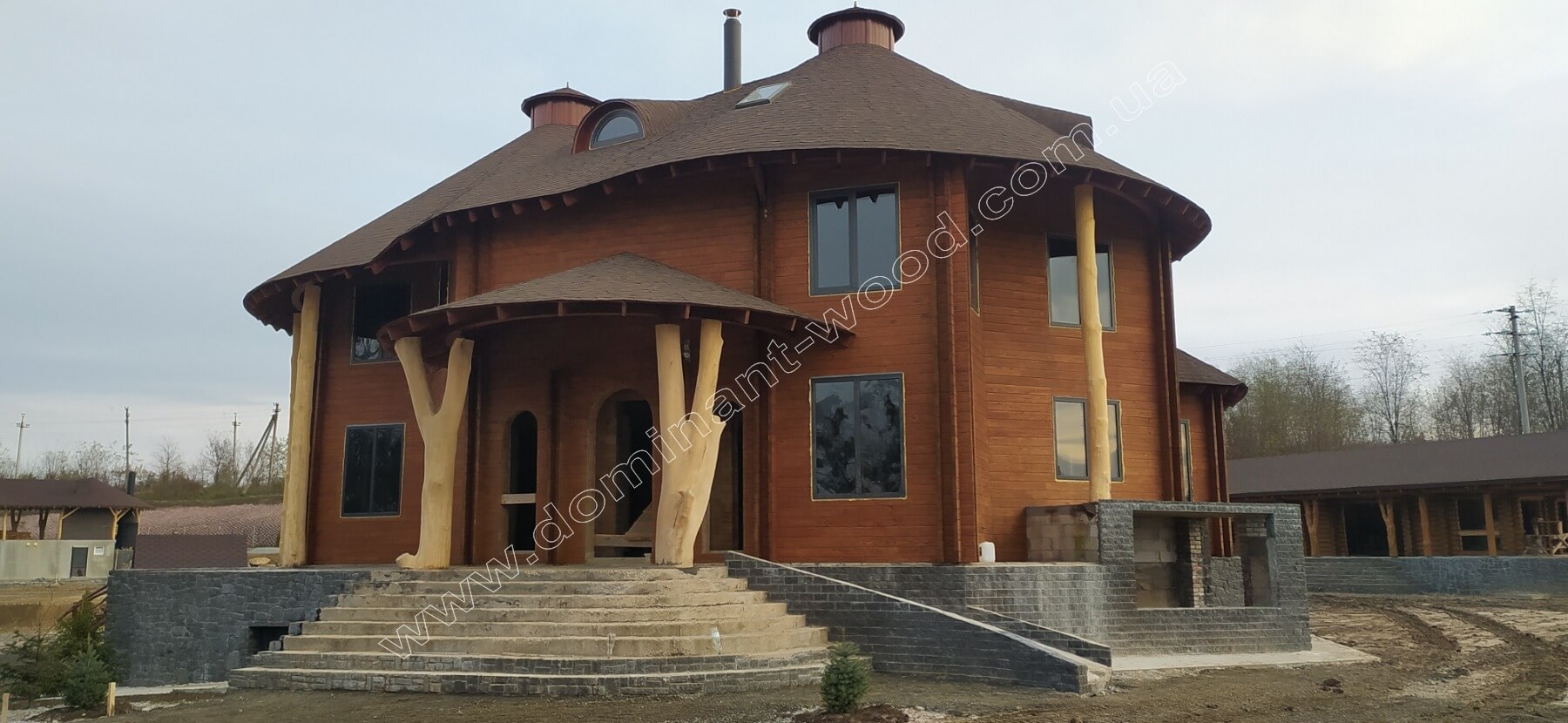
Answer: not always. Modern technologies of production and construction from wood make it possible to build absolutely everything from wood! Smoothly polished, profiled, dried timber, forming a strictly geometric architecture, makes it possible to build buildings in both high-tech and minimalist styles. Moreover, the stylish and modern look of fashionable wooden buildings has been preserved for decades thanks to progressive means of protecting wood from biological damage and fire
Question: how durable is a log cabin?
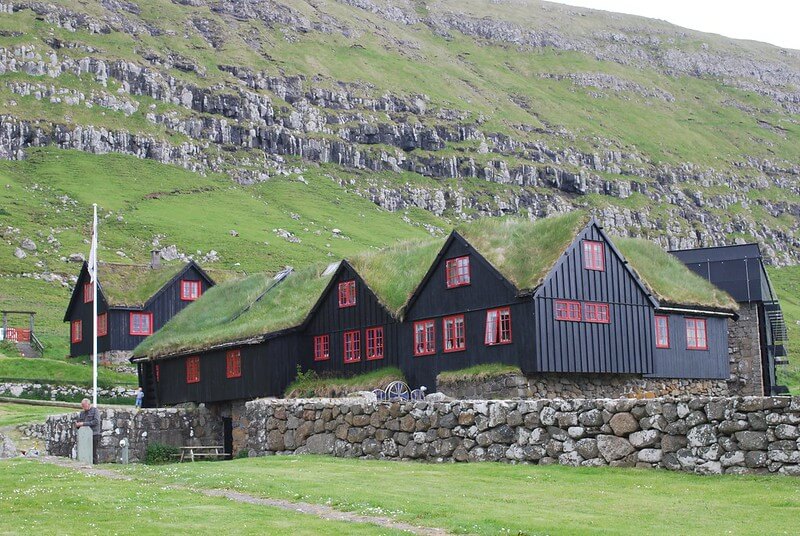
Answer: the durability of a wooden building depends on the type and quality of the original wood, as well as on the careful and timely care of the dwelling. For example, the life of a pine tree under normal conditions is 230-300 years, and imagine how much more it is extended with proper care and effective means to neutralise the shortcomings of wood building materials.
A very important role in the reliability and durability of a wooden house is played by quality wood drying. Modern drying equipment, and in particular press-vacuum drying, allows you to get the required percentage of moisture evenly throughout the volume of the beam, thereby reducing the degree of influence of shrinkage of wood materials on the structure of the house.
Question: what are the advantages and disadvantages of wood?
wood is an environmentally friendly, breathable, durable and strong material, easy to process and operate. The main advantages of wood include a low coefficient of thermal conductivity, so very warm buildings are obtained from it. In addition to low thermal conductivity, wood is famous for its good sound insulation properties and the ability to regulate humidity and air exchange in a natural way.
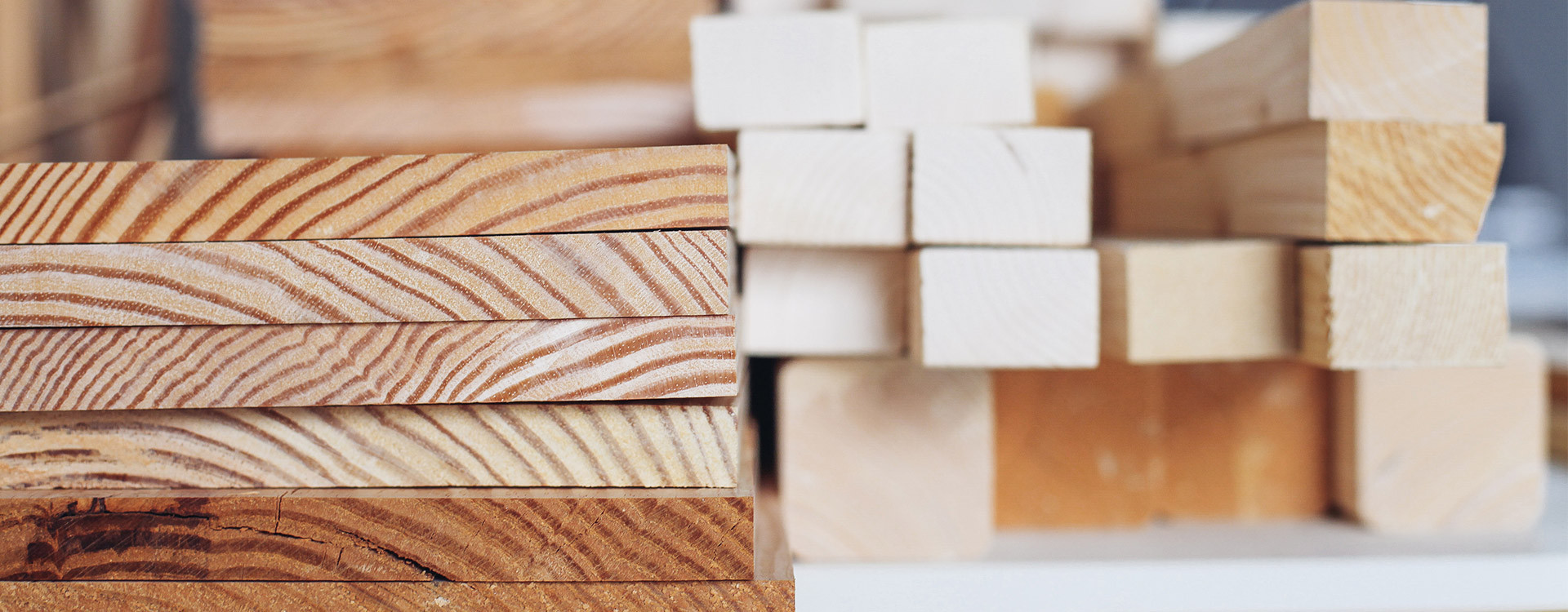
But every natural material has its flaws. Unfortunately, only synthetics can be almost flawless. Wood also has its drawbacks. These include hygroscopicity (the ability of a tree to absorb water vapours from the air), which can significantly worsen the physical and mechanical properties of the material. Due to the occurrence of dampness, harmful microorganisms, mould, bacteria and fungi develop on the surface of the tree, corroding the surface of the logs.
One of the biggest disadvantages of wood has always been its combustibility, so it always needs to be treated with flame-retardants. Although, when burning, wood, like any organic material, remains strong for a long time, forming a protective layer during charring, which slows down the penetration of fire deep into the wood fibres. When burning wood, no caustic substances are formed. Among the obvious disadvantages of wood, we name the presence of knots, resin pockets and a tendency to crack.
Of course, craftsmen working with wood have learned how to neutralise all the shortcomings of wood as much as possible in order to obtain durable and reliable products from it.
Question: what type of wood is better to build a house?
Answer: conifers are most suitable for the purpose of building a dwelling. Pine, spruce or larch are considered the best choice, because they have valuable qualities in terms of construction. The resinous nature of coniferous trees provides high durability and resistance to decay.
Taking into account the fact that larch does not grow in abundance in Ukraine and is not used for building houses, we consider pine to be the best choice of wood species. Compared to spruce, pine has far fewer knots and is much stronger than soft spruce wood. Therefore, shrinkage is less characteristic of pine, and spruce timber can dry out greatly and deform the structure of the house. This will entail high costs for finishing the house; for example, for repairing cracks.
Question: which house is better: brick or wood?
Answer: it is better and faster to build a house out of wood than out of brick; and here's why. The fact is that the construction of a wooden frame is much faster in time and cheaper in finance. Under light, wooden walls, you do not need to build a heavy foundation structure, on which you then lay out brick by brick for a long time. Just imagine how many bricks you need to achieve the degree of thermal insulation of a house made of pine timber with a wall thickness of 200 mm. After all, the brick equivalent of such a wall is 890 mm. This means that even more costs for insulation and wall decoration will be needed. Agree that no one leaves unlined brickwork in the rooms. While wood is aesthetically pleasing and can be used as a decor or cladding material on its own.
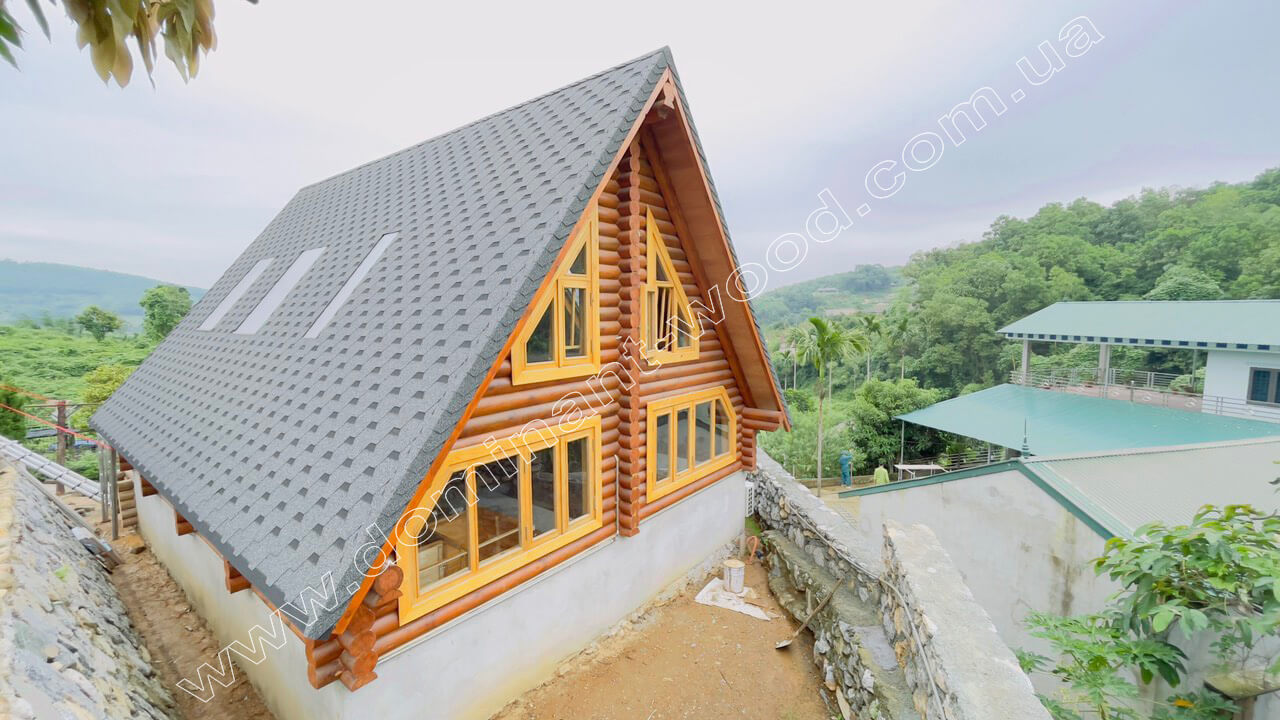
Log cottages breathe, and natural air exchange takes place in them intensively due to the porous structure of the wood. In a brick house, you will need a whole ventilation system, and in terms of heating, a wooden house is more economical than a brick one. A wooden cottage is completely heated in a few hours, while for a brick house, the full warm-up time is about three times longer.
Question: what is the difference between a cylindrical log home and a hand-cut log cabin?
Answer: mechanically processed rounded logs are produced on special equipment, which gives them a given size and a perfectly even, rounded shape. This allows you to achieve a very tight and reliable connection between the joints of the crowns during the construction of the house. In addition, the same size of logs means the same thermal conductivity over the entire plane of the walls. Just imagine now a wall of a hand-cut log cabin, in which all the logs are different in diameter. Only a long and very painstaking process of fitting the logs of a hand-cut (wild) log house to each other and the high costs of finishing will make it possible to obtain a high-quality and warm building. Agree that it is too long and costly. Plus, it is unlikely that it will be possible to avoid the rough and sloppy appearance of the structure. Hence, the very name of the hand-cut log cabin - «wild». Cylindrical log houses always look elegant and presentable thanks to the neat roundness of logs of the same size.
Question: what kind of finish will the walls of a log cabin need?
minimal finish. The type and scope of finishing works depend on the chosen production technology and the construction of a wooden house. That is, whether it will be a house made of cylindrical logs or dry, profiled timber. For a rounded house, grinding and painting of the internal and external walls will be required, after which the seams between the logs will be sealed. In the case of profiled, polished timber, you can only paint the walls. Since the timber has already been sanded, and the joints between the timber are so tightly connected by the "thorn in the groove" method that it is possible not to seal them with additional sealant.
Question: сhow long does it take to shrink a log cabin?
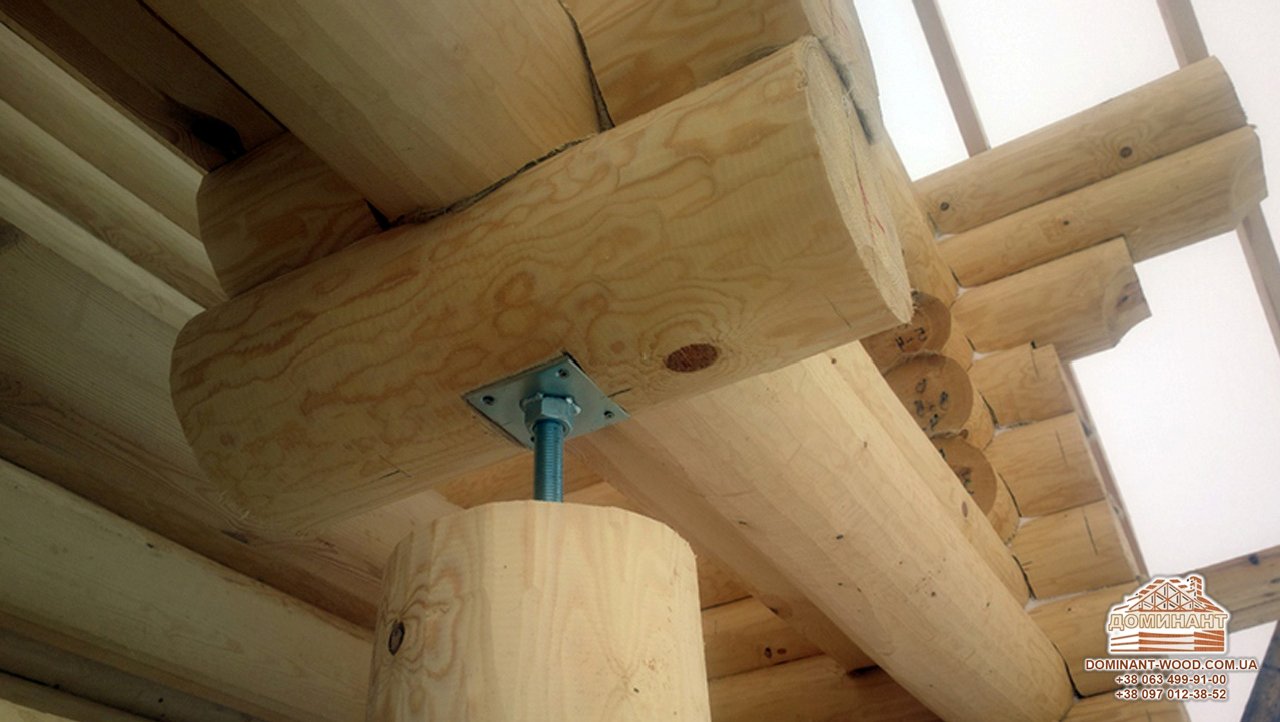
Answer: the shrinkage of cylindrical log cabins lasts 2 years. Previously, even the decoration of the house was carried out after shrinkage, so as not to damage the structure and do not have to redo the finish. Modern technologies for the construction of wooden houses include the use of mechanisms that compensate for shrinkage. Due to this, you may not wait until the house sits down, but carry out all the finishing work immediately after the completion of construction.
Question: what is the best thickness of the beam?
Answer: taking into account the thermal insulation properties of pine wood for a comfortable, year-round living, you should choose a thickness of cylindrical logs of 200-220 mm, and a profiled beam of 150*150 mm or 200*150 mm (due to a tighter fit of the bars with spikes in the grooves). The most progressive technology today is considered to be insulated construction technology from timber with wood concrete. The total thickness of the walls in such a house is 300 mm. These buildings are considered energy-saving and allow you to significantly save on heating in winter, and enjoy a cool indoor microclimate in summer.
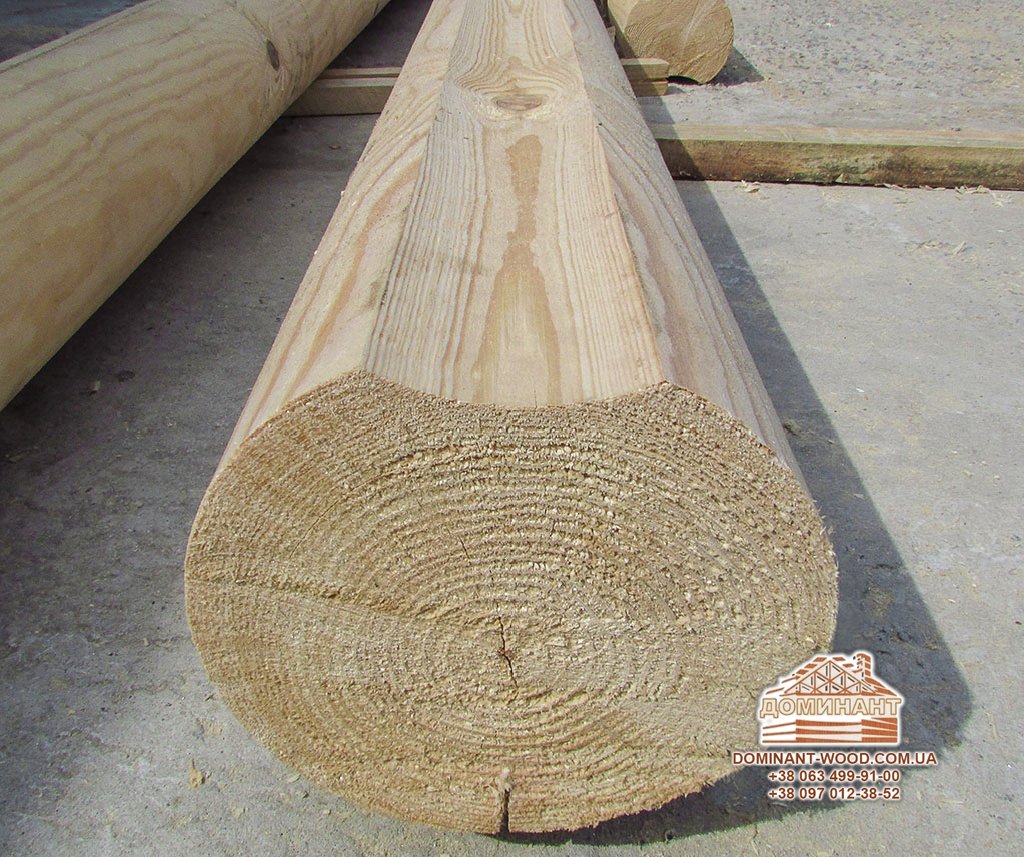
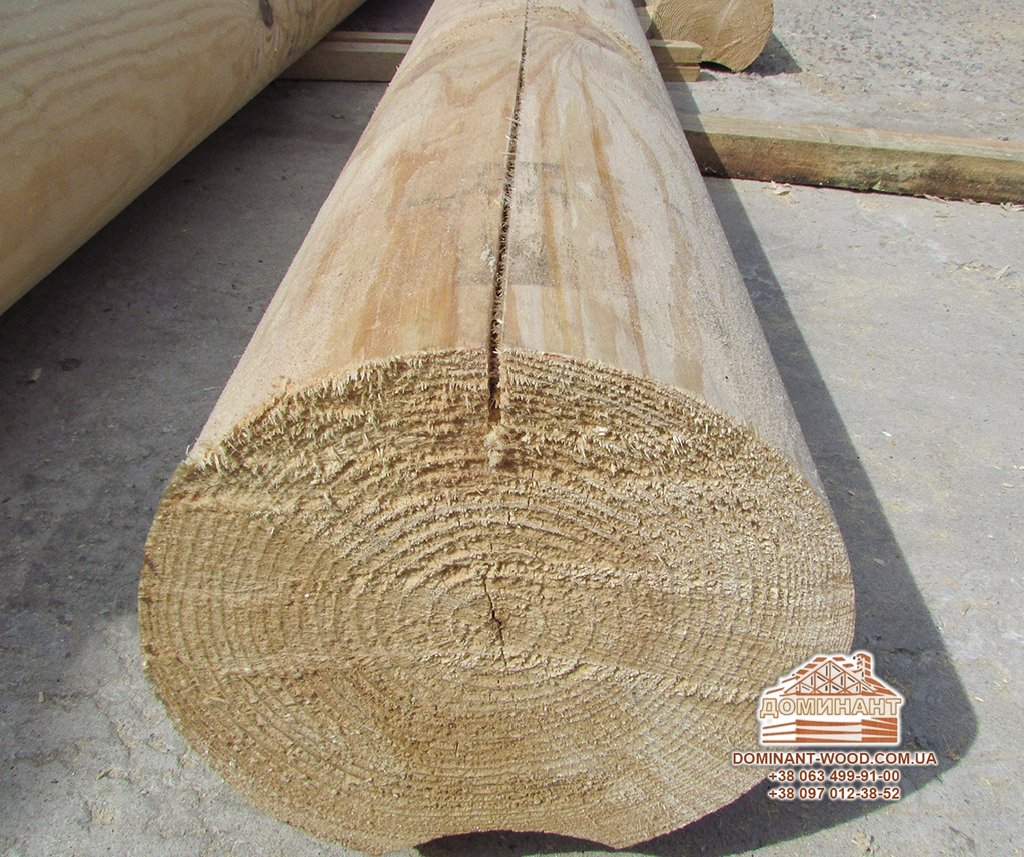
For seasonal and summer houses, choose a timber thickness of 160-180 mm (in rounded houses) and 60 mm in profiled ones. By the way, in a house made of dry, profiled timber, different wall thicknesses can be combined. For example, along the perimeter, you can set up walls with a thickness of 200 mm, and inside it is enough to make partitions of 150 mm in size. In addition, in any house, whether it is a round log cabin or a profiled one, you can install partitions between rooms made by the frame method. Their advantage is that they reduce the cost of the construction budget and provide greater freedom in interior design. The fact is that frame partitions can be decorated and lined with any material, for example, sheathed with clapboard.
We are sure that after reading the article you have formed your impression of wooden log cabins in general. Everything you would like to know about log cabins and cottages, plus amazing new technologies for working with wood - all this you will discover in the world of «Dominant – wood»!
Подивитись інші...